Why Are Restaurants Moving to All-in-One POS Ecosystems Instead of Standalone Tools?
Running a restaurant in 2026 requires owners to be aware of the effective All-in-One POS ecosystems which are changing the game in the hospitality market today.

Try OnePlusTwo's All-in-One POS System to Enhance Your Restaurant Today.
Introduction
Running a restaurant today is more complex than ever. Owners and operators are expected to manage ordering, payments, kitchens, staff performance, menus, pricing, and customer experience—often across multiple locations and sales channels. For years, many restaurants tried to solve these challenges by using separate standalone tools for each function.
But this approach is rapidly falling out of favor.
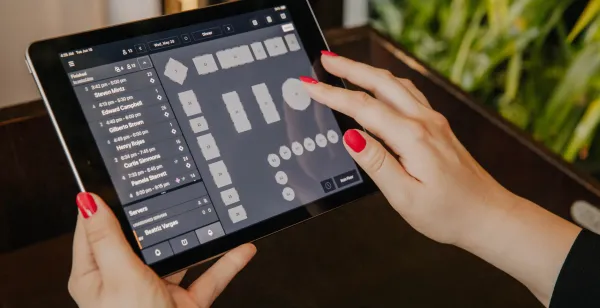
More restaurants are now shifting toward all-in-one POS ecosystems that unify everything—from POS terminals and self-service kiosks to kitchen display screens, remote menu management, and employee performance tracking—under one platform.
This article explains why restaurants are abandoning standalone tools, what an all-in-one POS ecosystem really is, and how it helps restaurants operate more efficiently, profitably, and at scale.
What Are Standalone Restaurant Tools?
Standalone tools are individual systems that perform one specific function but operate independently from each other. Common examples include:
- A POS system for taking orders and payments
- A separate kitchen display system
- Third-party self-service kiosks
- Manual or spreadsheet-based menu and pricing management
- External software for employee performance tracking
While each tool may work well on its own, problems arise when these systems don’t communicate with each other.
Why Standalone Tools Were Common
Standalone tools were once the norm because:
- Restaurants adopted technology gradually
- Specialized tools solved immediate problems
- Integration options were limited
Over time, however, this patchwork approach has created operational friction.
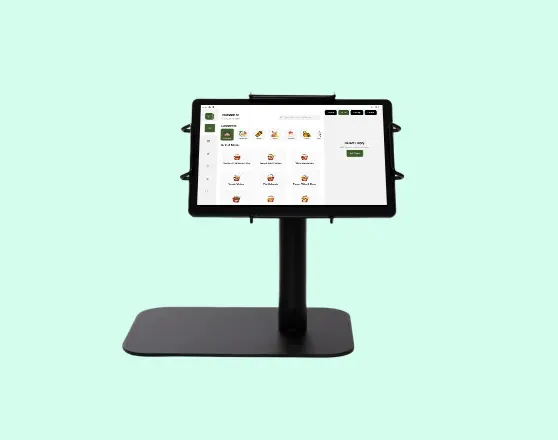
What Is an All-in-One POS Ecosystem?
An all-in-one POS ecosystem is a unified restaurant technology platform where all critical systems work together seamlessly.
Instead of managing multiple vendors and disconnected tools, restaurants operate from one central system that includes:
- POS supported on Android, iOS, and Windows
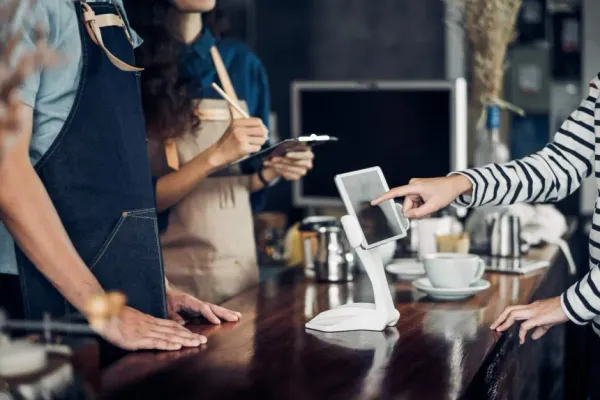
- Self-service ordering kiosks
- Kitchen display screens (KDS)
- Centralized menu and price management
- Employee performance tracking and reporting
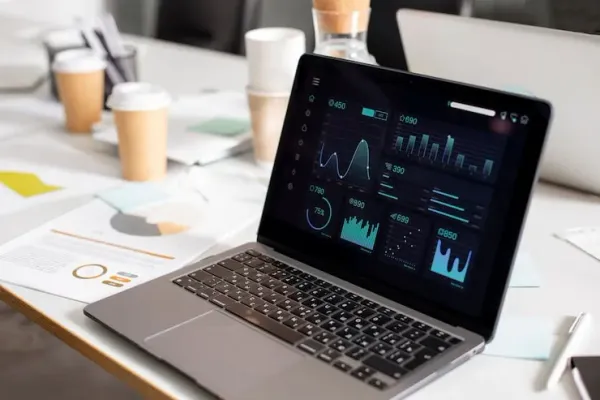
- Integrated payments and sales analytics
Every component shares the same data in real time, eliminating duplication, delays, and errors.
The Biggest Problems With Standalone Restaurant Systems
Disconnected Data and Silos
When systems don’t talk to each other:
- Orders don’t sync cleanly with the kitchen
- Sales data doesn’t align with staff performance
- Reporting becomes fragmented and unreliable
Managers are forced to manually reconcile information, wasting time and increasing the risk of mistakes.
Manual Updates Across Multiple Systems
With standalone tools, simple changes—like updating a menu item or price—must be done:
- On the POS
- On kiosks
- In the kitchen system
- Sometimes on multiple devices
This manual repetition leads to inconsistencies, pricing errors, and staff confusion.
Higher Costs and Vendor Complexity
Standalone systems often mean:
- Multiple monthly subscriptions
- Separate support teams
- Different contracts and renewal cycles
Over time, the cost of managing several tools can exceed the cost of a single unified ecosystem.
Training and Operational Inefficiency
Staff must learn:
- One interface for POS
- Another for kiosks
- Another for kitchen screens
This slows onboarding, increases errors, and impacts service quality—especially during peak hours.
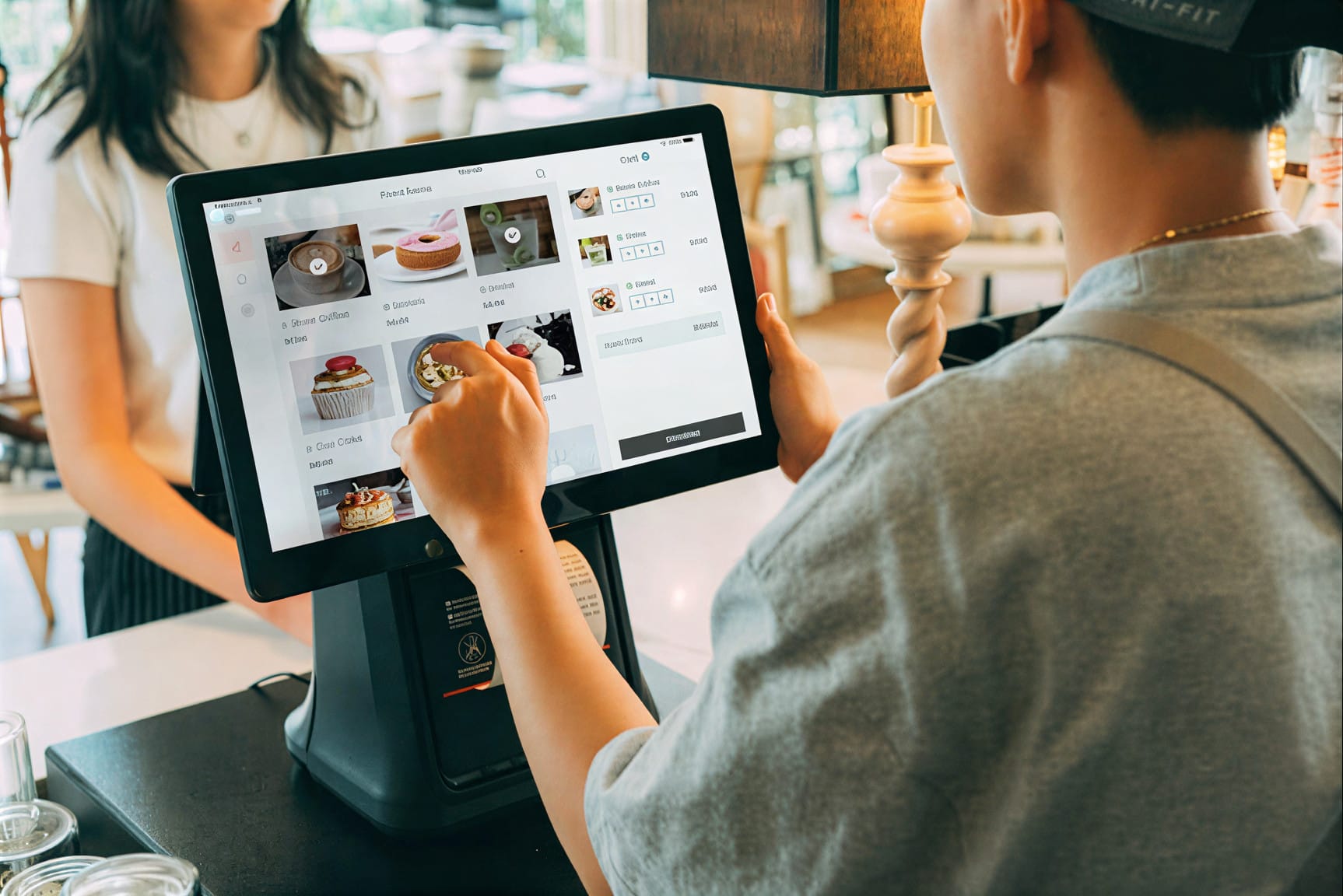
Why Restaurants Are Switching to All-in-One POS Ecosystems
Centralized Control Over the Entire Operation
An all-in-one POS ecosystem gives restaurant owners and managers:
- One dashboard
- One source of truth
- Real-time visibility into sales, orders, kitchens, and staff
This centralized control makes decision-making faster and more accurate.
Faster, More Accurate Order Flow
When POS, kiosks, and kitchen display screens are fully integrated:
- Orders move instantly from front to back of house
- No re-entry or duplicate tickets
- Fewer missed or incorrect items
This improves speed, accuracy, and customer satisfaction—especially during busy service periods.
Seamless Self-Service Kiosk Integration
Self-service kiosks are no longer just add-ons—they are core revenue drivers.
In an all-in-one ecosystem:
- Kiosk orders sync directly with POS and KDS
- Menus and prices update automatically
- Promotions apply consistently across all channels
This reduces queues, increases average order value, and lowers pressure on staff.
Remote Menu and Price Management
One of the biggest advantages of an all-in-one POS ecosystem is remote control.
Restaurants can:
- Update menus instantly across POS, kiosks, and kitchen screens
- Change prices in real time
- Roll out seasonal items or promotions across multiple locations
This is especially powerful for growing brands and multi-location restaurants.
Built-In Employee Performance Tracking
Instead of relying on guesswork, managers gain clear insights into:
- Sales per employee
- Order handling efficiency
- Shift performance
- Productivity trends
With accurate data, restaurants can reward top performers, identify training needs, and improve accountability.

Cost Efficiency and Scalability Benefits
While standalone tools may seem cheaper at first, they often become more expensive as a restaurant grows.
All-in-one POS ecosystems:
- Reduce the number of vendors
- Simplify billing and support
- Lower long-term operational costs
- Scale easily across new locations
Adding a new store becomes a configuration task—not a complex integration project.
Why Multi-OS POS Support Matters (Android, iOS, Windows)
Restaurants don’t want to be locked into one type of hardware.
A POS ecosystem that supports Android, iOS, and Windows offers:
- Hardware flexibility
- Lower equipment costs
- Easier upgrades
- Better future-proofing
This flexibility allows restaurants to adapt as technology evolves without replacing their entire system.
Which Restaurants Benefit Most From All-in-One POS Ecosystems?
All-in-one POS ecosystems are especially valuable for:
- Quick-service restaurants (QSRs)
- Casual dining brands
- High-volume locations
- Multi-location and franchise operations
- Restaurants using kiosks or digital ordering
However, even single-location restaurants benefit from simplified operations and better visibility.
Can Restaurants Transition From Standalone Tools Gradually?
Yes. Many restaurants move to an all-in-one ecosystem in phases.
A common approach:
- Start with POS and payments
- Add kitchen display screens
- Introduce self-service kiosks
- Enable advanced reporting and staff tracking
This phased migration minimizes disruption while delivering immediate benefits.
Frequently Asked Questions
Are all-in-one POS ecosystems expensive?
They may have a higher upfront cost, but they often reduce long-term expenses by replacing multiple tools and improving efficiency.
Do all-in-one POS systems include kiosks and kitchen displays?
Yes. A true ecosystem includes POS, self-service kiosks, and kitchen display screens working together.
Is an all-in-one POS better for multi-location restaurants?
Absolutely. Centralized control and remote management make it ideal for scaling brands.
Can I manage menus and prices remotely with an all-in-one POS?
Yes. Menus and pricing can be updated instantly across all devices and locations.
Conclusion
Restaurants are moving away from standalone tools because they create complexity, inefficiency, and hidden costs. Managing separate systems for POS, kiosks, kitchens, menus, and staff simply doesn’t scale in today’s fast-paced environment.
An all-in-one POS ecosystem brings everything together—simplifying operations, improving accuracy, empowering staff, and giving owners full control over their business from anywhere.
For restaurants focused on growth, efficiency, and customer experience, unified POS ecosystems are no longer a luxury—they’re the new standard.
Try OnePlusTwo's All-in-One POS System to Enhance Your Restaurant Today.